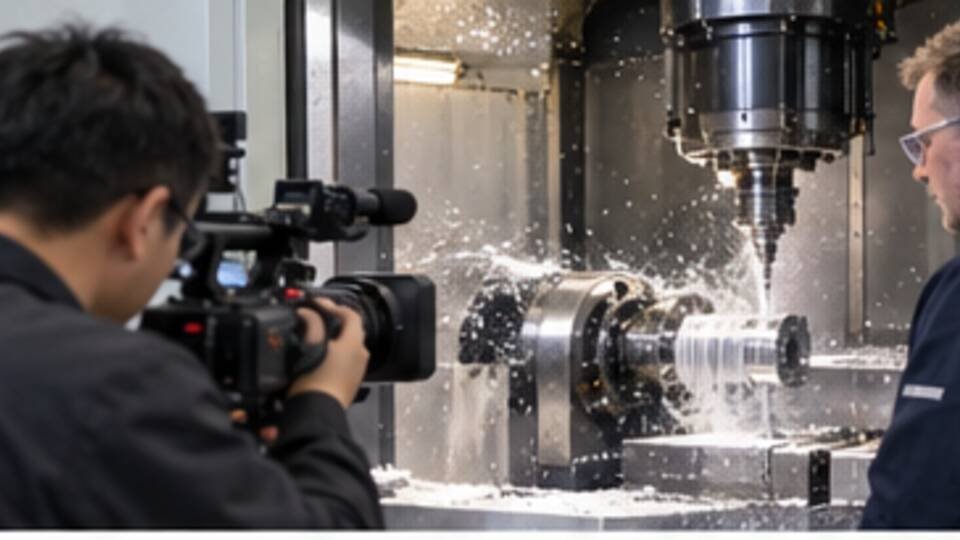
When it comes to “how the CNC processing plant attracts information from overseas engineers using Facebook,” the first question is whether he can quickly judge whether the supplier matches. First, the Polish technocrats buy the scene of electronic components to make the border: whether it helps customers to discover brand names, compare programmes, verify evidence, or launch a bid.
The aim of the response is not to enter into an immediate deal, but to identify the company, its use, quantity, time and decision-making role, and to agree on a mutually clear next step.
Upon landing, evidence is presented around official travel, materials, processes, testing and cut-off periods, linking manufacturing capacity to the quality risks and supply stability of the buyer. First, a minimum version is delivered, and the process images, sample details and quality checklists are completed to avoid a first round seeking to be large and complete. The final results are not just published once, but also leave reusable taskcards, material versions and sales responses, and the action portal can be set up as “requests for matching specifications”. The double-dash contains at least one full follow-up cycle, focusing on remarket responses, brand searches, and repeated access.
Double-checking also involves checking drawings for evaluation, test reports, batch records and application samples to match each other and recording exceptions separately to avoid a random query as a general rule.