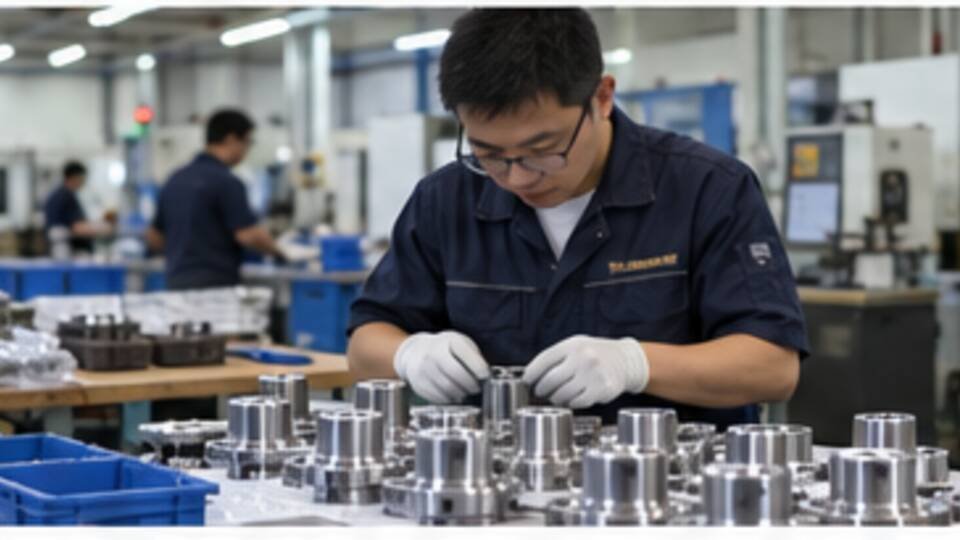
If a sophisticated spare parts business is prepared to develop the UK, “how quality detection equipment is converted into a credible content asset” should start not with what competitors do, but with the procurement tasks, risks, and information gaps of the factory’s head. In the B2B scenario, the profession does not amount to complexity, but rather makes the conditions and evidence sufficiently clear. Parameters must be unitized, test conditions and scope of application; the presentation of the certificate indicates that the covered product is more convincing than a single document cover.
The old version could be retained and only one key variable could be changed to publish the new version. The two versions would have to use the same market and observation cycle, otherwise data would be difficult to support conclusions. A more secure process would be to write a page of mission statements before implementing “the presentation of evidence around public transport, materials, processes, testing and handover, linking the manufacturing capacity to the buyer's quality risk and supply stability.” The producer would retain only images and numbers directly related to the subject, after obtaining the application comparison, the condition statement and the date of review.
The value of this approach is that each step leading up to the “scheduled sample discussion” can be explained, reviewed, and the team knows when to continue and when to stop. Do not substitute for business results with a total touch. More explanatoryally, it is the rate of valid queries, the length of the first response and the rate of meeting appointments, in particular, a separate list of causes of invalid leads and the number of late follow-up.
Double-checking also involves checking drawings for evaluation, test reports, batch records and application samples to match each other and recording exceptions separately to avoid a random query as a general rule.